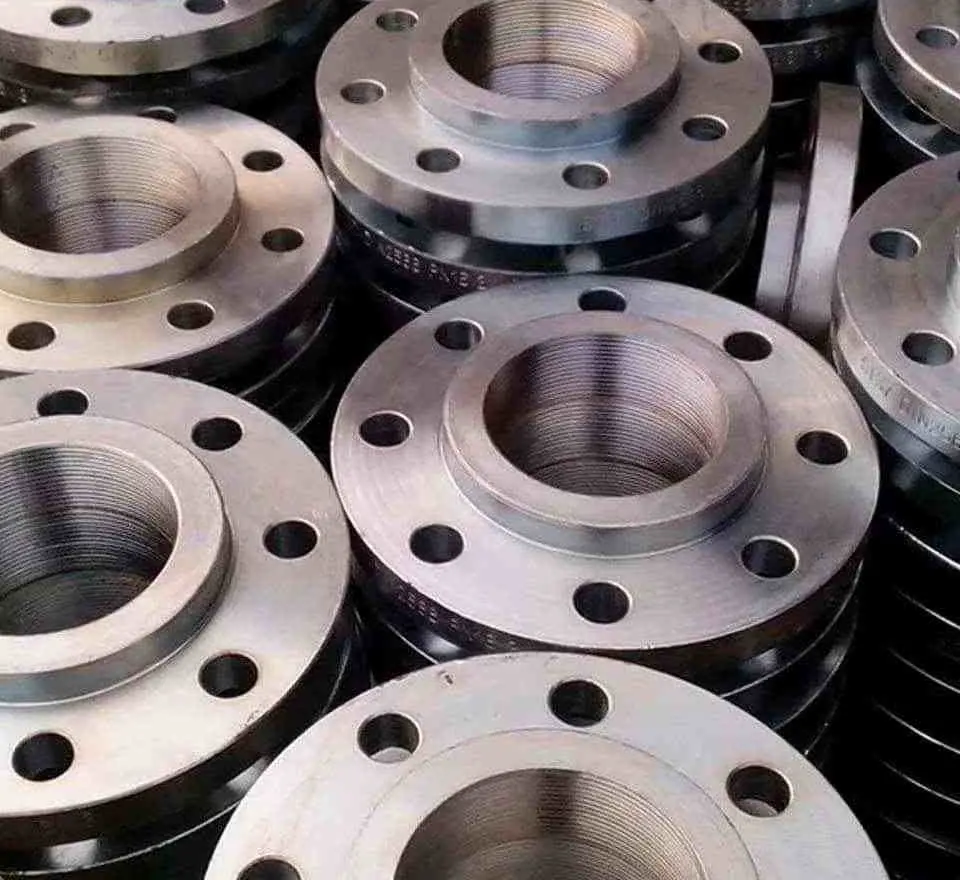
Weld Neck
Long tapered hub butt-welded to the pipe. The strongest joint, for high pressure and temperature.
Best for · Severe and high-pressure serviceSlip-on, weld neck, blind, socket-weld, threaded, lap joint and spectacle flanges in stainless, duplex, carbon and alloy steel and nickel alloys.
Flanges join pipe to pipe, valve or equipment. Pressure class, facing and bore must all agree with the mating part.
We supply forged flanges to ASME B16.5 and EN 1092-1 in a full range of types and pressure classes. Each flange is ordered by material, standard, size, pressure class, facing and type, and is marked with its heat number.
Send your piping class or the mating flange details and we will confirm the right flange for the job.
The flange type controls how it is attached to the pipe — and how well it handles pressure and fatigue.
Long tapered hub butt-welded to the pipe. The strongest joint, for high pressure and temperature.
Best for · Severe and high-pressure serviceSlips over the pipe and is fillet welded inside and out. Lower cost and easy to align.
Best for · Low-pressure and utility lines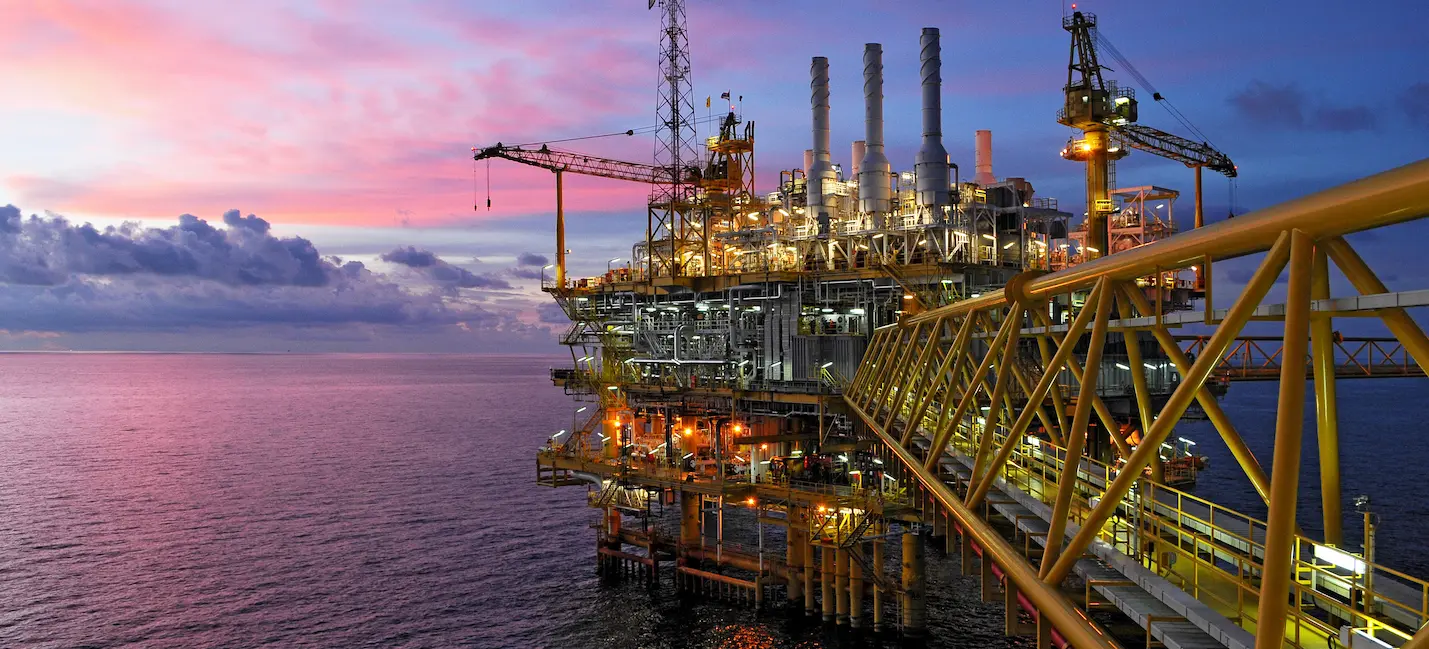
Solid disc used to close the end of a pipe, valve or vessel opening.
Best for · Isolation and pressure testing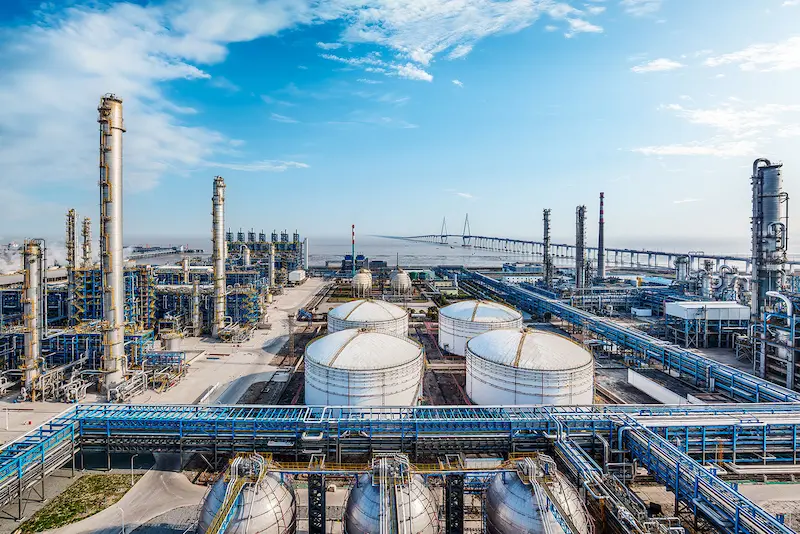
Pipe is inserted into a socket and fillet welded. For small-bore, high-pressure lines.
Best for · Small-bore lines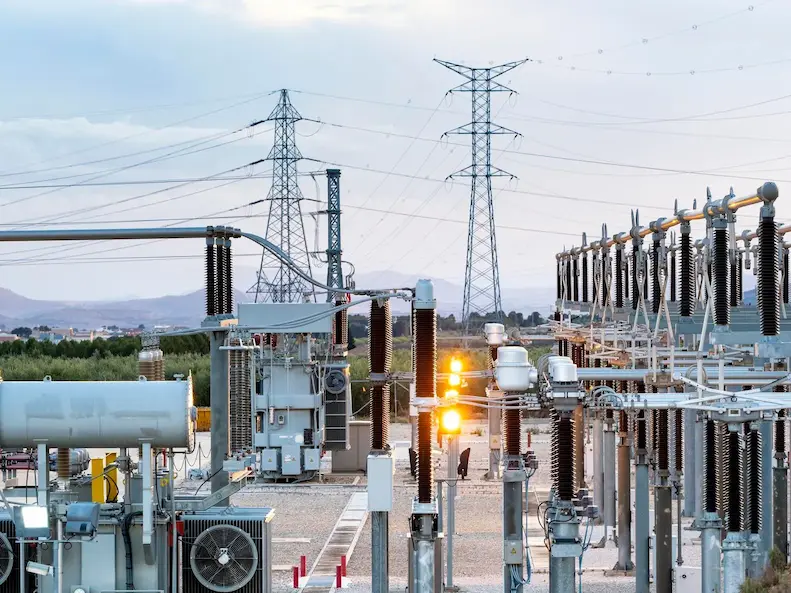
Screws onto a threaded pipe without welding.
Best for · Low-pressure, non-critical lines
Loose flange used with a stub end, so it can rotate to align bolt holes.
Best for · Frequent dismantlingFigure-8 plate with one solid and one open end, for line isolation.
Best for · Positive isolationGoverning standards for each material family. Tell us the one on your purchase order.
| Material / Product | Specification | Typical Grades | Notes |
|---|---|---|---|
| Stainless & alloy forged flanges | ASTM A182 / ASME SA182 | F304 · F304L · F316 · F316L · F321 · F310 | Dimensions to ASME B16.5 |
| Duplex & super duplex flanges | ASTM A182 | F51 · F53 · F55 | Higher strength, chloride resistant |
| Carbon steel flanges | ASTM A105 | A105 · A105N | Ambient and elevated temperature |
| Low-temperature carbon steel | ASTM A350 | LF2 · LF3 | Impact tested for low temperature |
| Alloy steel flanges | ASTM A182 | F5 · F9 · F11 · F22 · F91 | Cr-Mo steels for high temperature |
| Nickel alloy flanges | ASTM B564 | Alloy 600 · 625 · 825 · 400 | Corrosive and high-temperature service |
| Titanium flanges | ASTM B381 | Grade 2 · Grade 5 | Light, corrosion resistant |
Dimensions: ASME B16.5, ASME B16.47 Series A and B (large diameter), EN 1092-1 (PN-rated). Availability depends on grade and size.
The facing must match the mating flange and gasket.
| Facing | Code | Typical use |
|---|---|---|
| Raised face | RF | Most common. A raised ring concentrates gasket load for a tight seal. |
| Flat face | FF | Used with cast-iron or low-pressure equipment to avoid bending the flange. |
| Ring-type joint | RTJ | Metal ring gasket in a machined groove, for high pressure and temperature. |
The industries that most often specify this product.
Send these with your request and we can quote without going back and forth.
Weld neck, slip-on, blind, socket-weld, threaded, lap joint or spectacle.
For example F316L, A105 or F51.
ASME B16.5 Class 150/300/600… or EN 1092-1 PN rating.
NPS or DN, and the pipe schedule for weld-neck bore.
Raised face, flat face or ring-type joint.
MTC 3.1 or 3.2, PMI or third-party inspection.
Mill test certificates to EN 10204 3.1 / 3.2, PMI, hydro and NDT testing, and third-party inspection can be arranged. Read how every order is checked.
Our team can help you choose the right grade, size and specification.
Ask on WhatsAppThe class is a pressure-temperature rating under ASME B16.5. A higher class (300, 600, 900, 1500, 2500) can handle higher pressure at a given temperature. The permitted pressure also falls as the temperature rises, and depends on the material group.
A weld neck flange has a long tapered hub that is butt-welded to the pipe, giving a stronger joint with better fatigue life — preferred for high pressure and temperature. A slip-on flange slips over the pipe and is fillet welded, which costs less and is easier to align.
Generally no. ASME B16.5 and EN 1092-1 flanges have different bolt-circle diameters, bolt counts and ratings, so they do not normally mate. Always match the standard of the mating flange.
Flanges are supplied with a mill test certificate. Ask for EN 10204 3.1 or 3.2, and mention PMI or third-party inspection when you enquire. See our Quality Policy.
Pair this product with the rest of your piping and fabrication package.
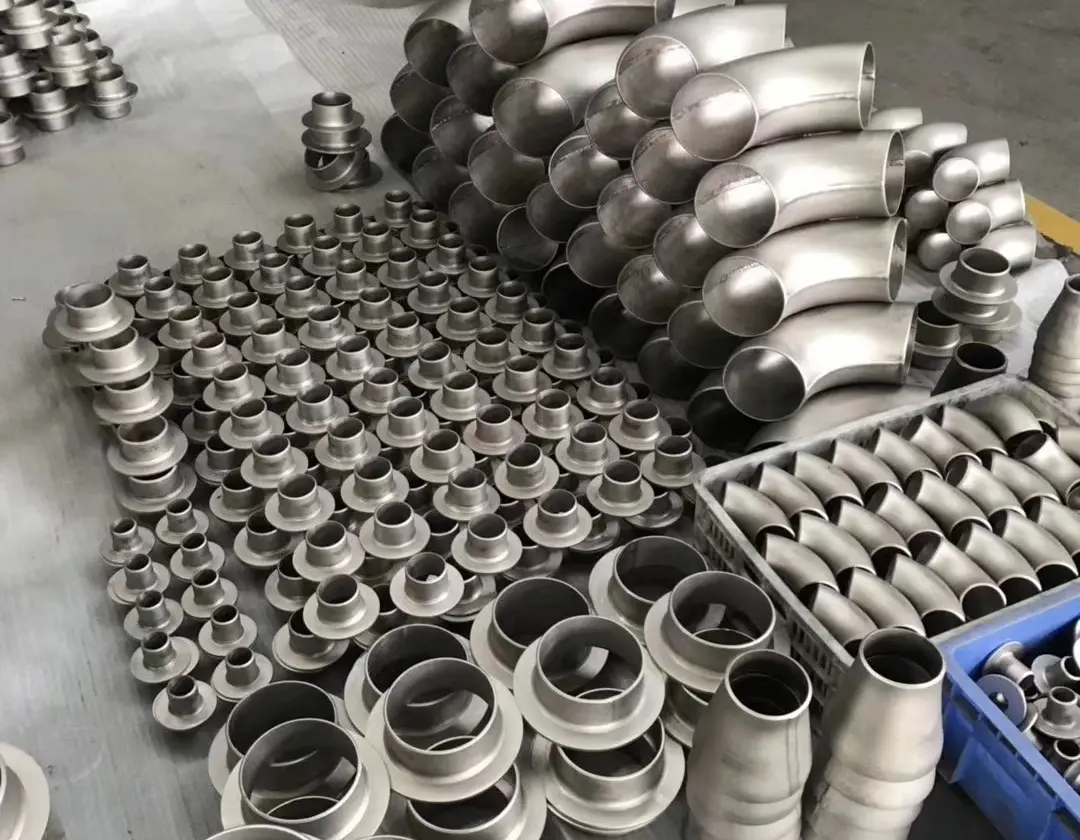
Elbows, tees, reducers, caps, stub ends, couplings and unions for piping systems
View product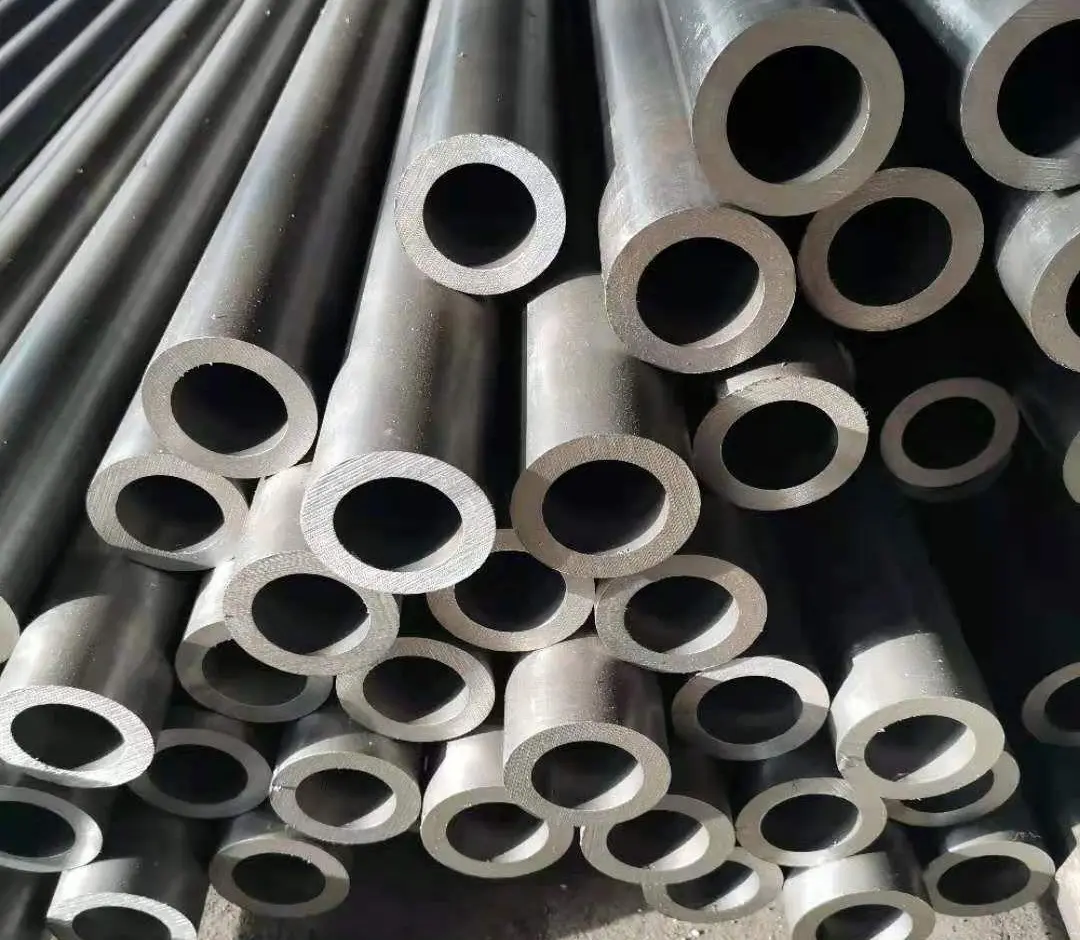
Pipes and tubes in stainless, duplex, carbon and alloy steel, nickel alloys, titanium and copper
View product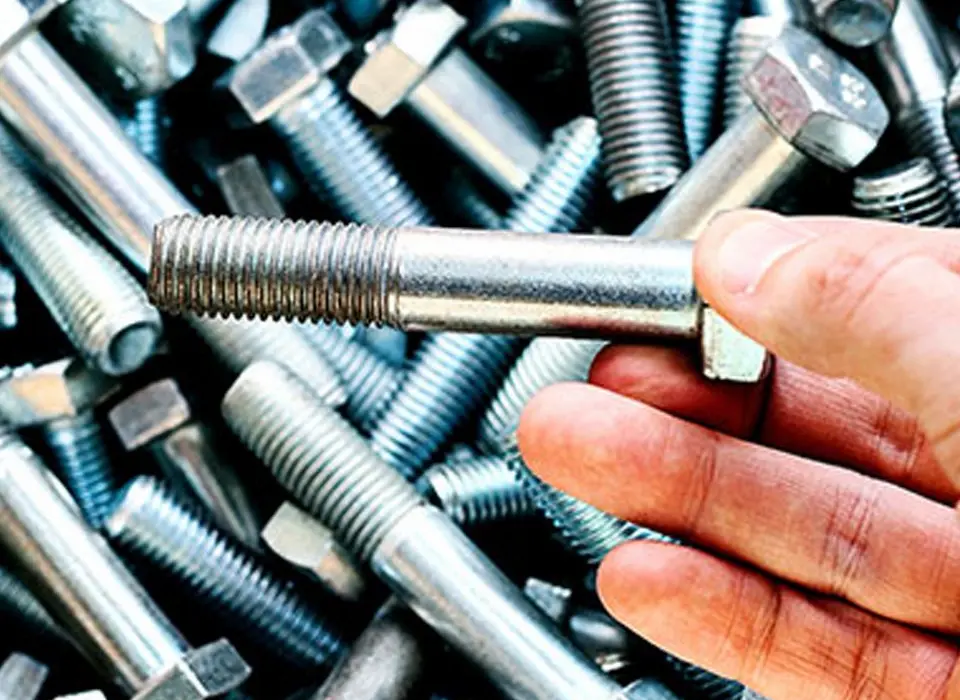
Bolts, nuts, screws, studs, washers and anchors in stainless, alloy, high-nickel and non-ferrous metals
View product